News
Herbosch-Kiere contributes to innovative plastic catcher in Nieuwpoort
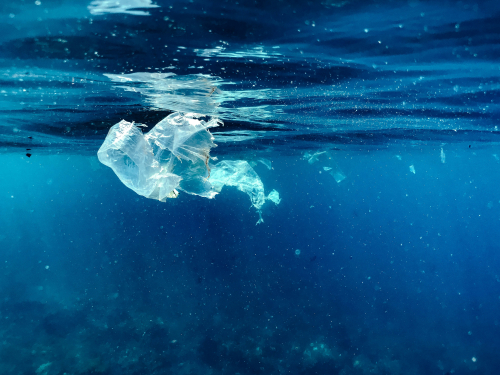
How can we remove plastic from our waterways before it reaches the North Sea? As part of the European TREASURE project, an innovative solution is being tested in Nieuwpoort: a plastic catcher that uses an air-bubble barrier to capture floating plastic waste. Herbosch-Kiere has been actively involved in the project for more than a year, working alongside IMDC and MULTI.engineering.
Capturing plastic before it reaches the sea
One of the living labs within the TREASURE project is located in Nieuwpoort, at the mouth of the IJzer River. The location is particularly relevant: close to the historic Ganzepoot lock complex, no fewer than six waterways converge.
At this strategic location, an innovative plastic catcher will be installed. The goal is simple yet ambitious: to capture floating plastic before it can reach the North Sea via the IJzer River.
A plastic catcher powered by air bubbles
The installation uses an air-bubble barrier. By introducing air bubbles into the water, floating plastic is guided towards a designated collection area. There, the waste can be captured, monitored and subsequently removed from the water.
The technology will be tested under real-life conditions in the Nieuwpoort living lab. This will allow the performance and efficiency of the installation to be evaluated and further optimised.
Collaboration driving innovation
The development, installation and operation of the plastic catcher bring together a range of complementary expertise. Herbosch-Kiere, IMDC and MULTI.engineering are the Flemish partners involved in the realisation of the installation. The project is further supported by VLIZ – Flanders Marine Institute, VLAIO and the Interreg North Sea Programme.
For Herbosch-Kiere, TREASURE is a strong example of how technical expertise, engineering and collaboration can be brought together to address a concrete environmental and societal challenge.
From design to implementation
Installation of the plastic catcher in Nieuwpoort will start on 21 September, with the system expected to become operational shortly afterwards.
The structure will be secured to the quay near the fish market in the harbour channel. It is designed to move with the tide, allowing it to operate effectively in the dynamic environment of the harbour entrance.
The test installation in Nieuwpoort marks an important step in exploring innovative ways to tackle plastic pollution at its source.
Keeping plastic out of our seas starts upstream.